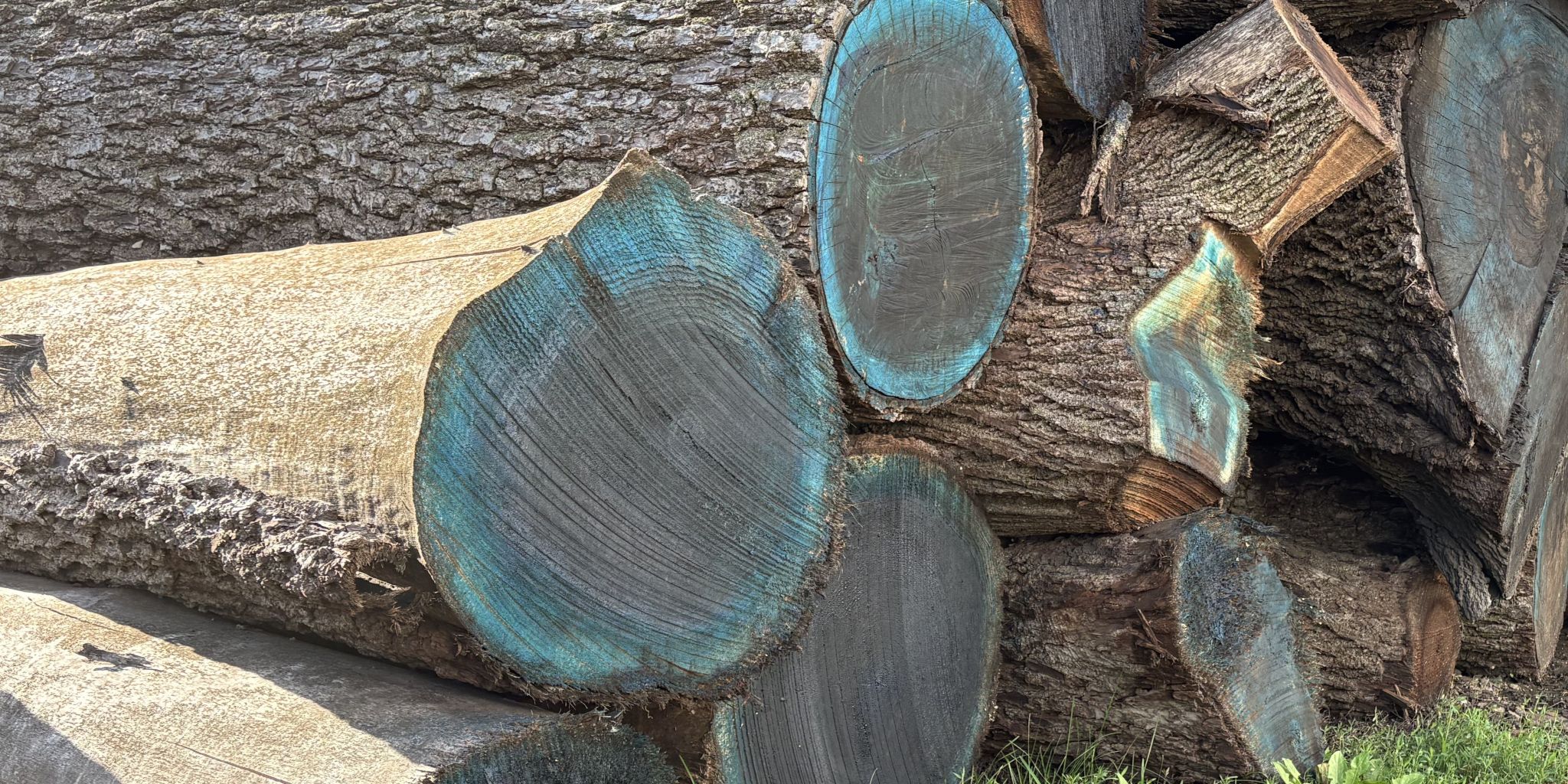
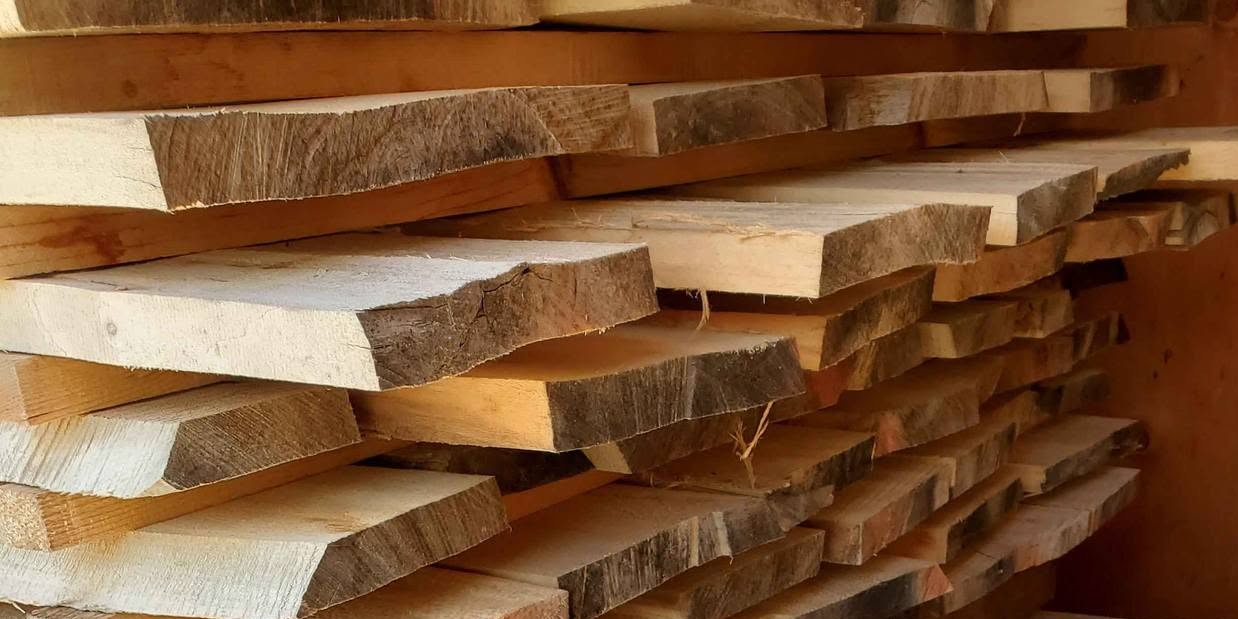
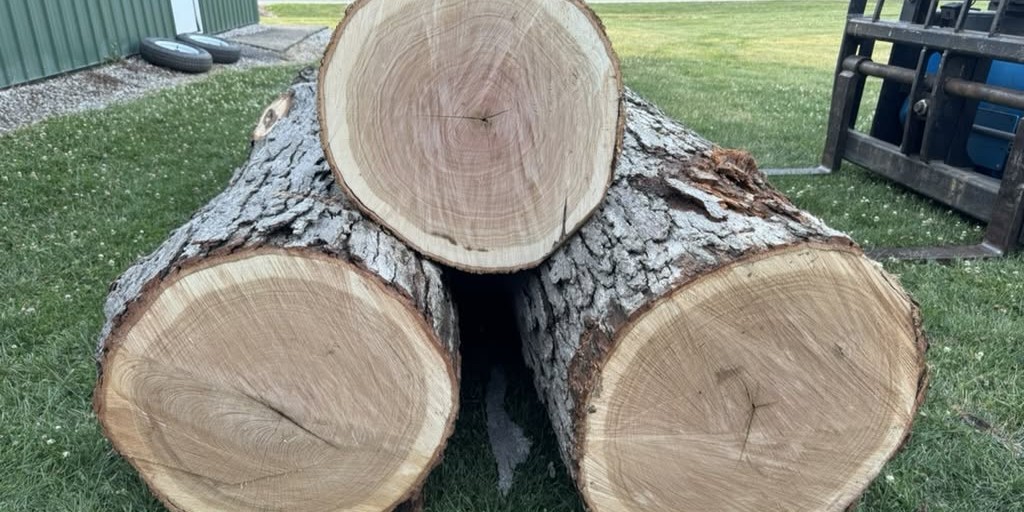
Turn your logs into lumber, slabs, beams, mantels, tabletops, or project material. Diller Millworks LLC offers custom sawmilling at our site in Chatsworth, Illinois, with portable sawmilling available for suitable on-site jobs throughout central Illinois, Chicagoland, and reasonable same-day service areas.
Two Ways to Mill Your Logs
Bring logs to us: usually the most efficient option because we have a prepared work area, better equipment access, and a faster setup
Schedule on-site milling: a good option when logs cannot reasonably be hauled or when you prefer to keep the lumber on your property
Bringing Logs to Us
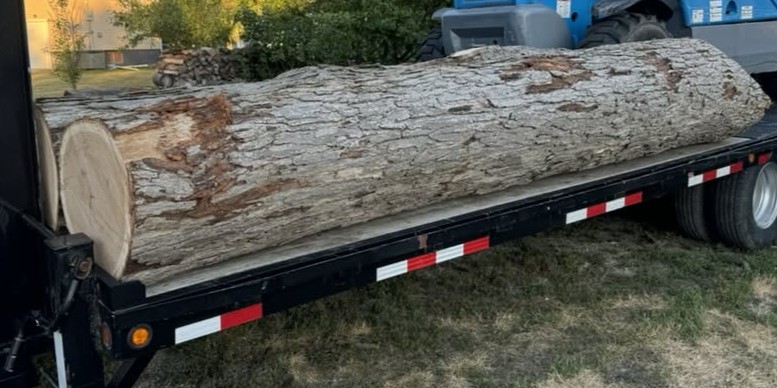
If you are hauling logs to us, flatbed or dump trailers are usually much easier for loading and unloading. Trailer fenders can make log handling more difficult. If you are unsure whether your trailer setup will work well, ask us before loading.
On-Site Milling May Be a Good Fit If:
Your logs cannot reasonably be brought to our shop.
You want the logs milled and stacked on your property.
The site has clear access for the truck and mill.
The setup area is relatively flat and level.
Logs can be staged or moved efficiently.
Note that travel mileage, setup fee and minimum hour charge may apply; please see the price list.
Our Sawmill Capabilities
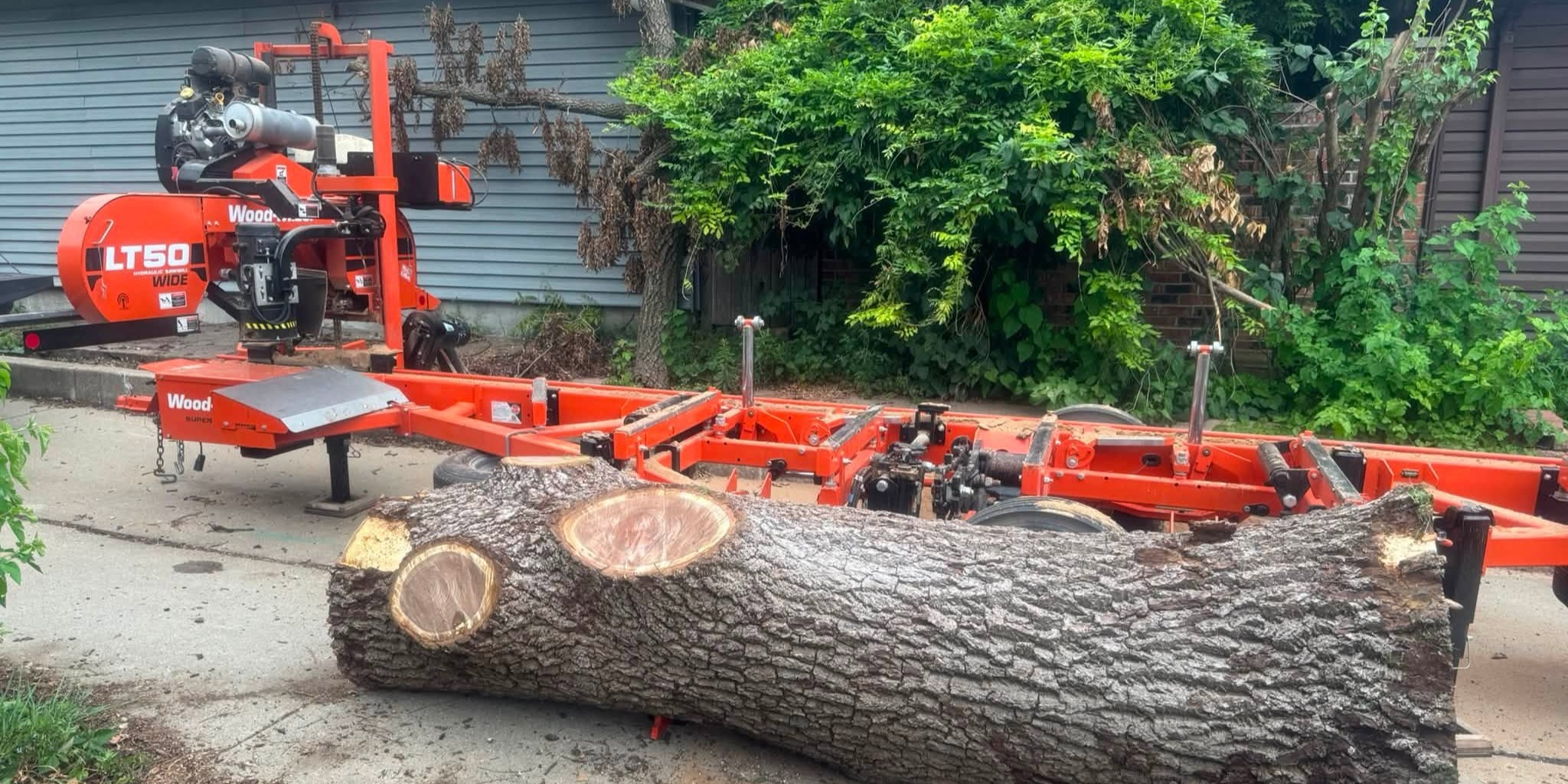
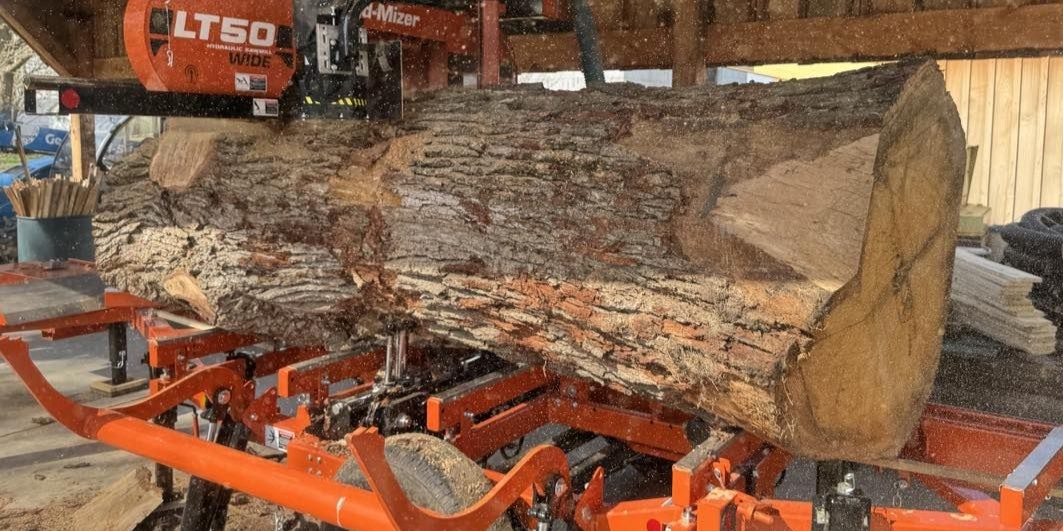
Our mill is a fully hydraulic Wood-Mizer LT50 Wide Super. Hydraulic log handling helps us process logs much faster than smaller manual or winch-style mills, and when logs are staged well with help available for pulling and stacking lumber, we can process a significant amount of lumber in an hour.
Maximum log diameter: 45 inches
Maximum log length: 20 feet
Maximum log weight: 5,500 pounds
Maximum cutting width: 34 inches
What Affects Milling Time
Milling time varies from job to job. Log species, size, condition, age, dirt, mud, metal or other foreign objects, staging, available equipment, and help with stacking can all affect production. Logs that have been down for several years are often drier, harder, and slower to mill.
Clean, well-staged logs are faster to process. Having help available to pull boards and stack lumber can also significantly reduce total milling time, especially when lumber will be stacked, stickered, kiln dried, or hauled away after milling.
Protect Recently Cut Logs
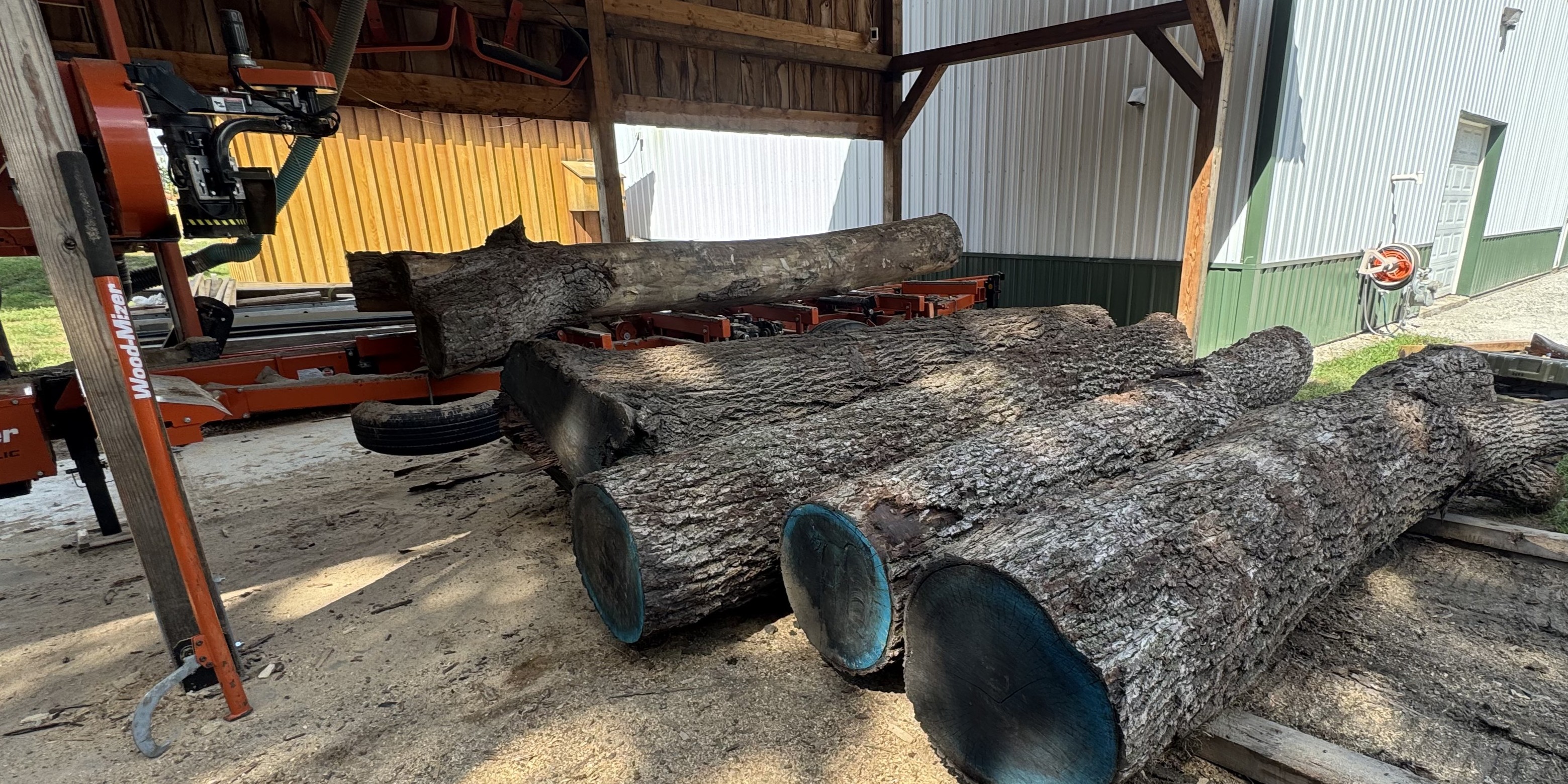
If logs were cut within the last couple of weeks, especially depending on the time of year, we recommend end sealing them to reduce end checking. Anchorseal is ideal, but paint can help in a pinch. The sooner fresh logs are protected, the better the chance of preserving usable lumber.
Plan Before We Cut
Before milling begins, it helps to know what you want from the logs and what will happen to the lumber after it is cut. Fresh lumber should be stickered and stacked right off the mill whenever possible; mold can develop and stain lumber in a matter of hours.
What do you want from the logs: lumber, slabs, beams, mantels, table tops, or another project?
What thicknesses and widths do you need? If you know whether you want flat-sawn lumber, slabs, beams, or another specific cut, please include that.
Will the lumber be air dried or kiln dried?
Will we be stacking and stickering off the mill, or will you be handling that?
Where will the fresh lumber be stacked?
Will you have stickers ready for stacking?
Will you have help available to pull and stack lumber?
Pricing
Please see our price list for sawmilling, travel, setup, stickers, pallets, kiln drying, and related services. Stickers and pallets may be available for purchase from us, and we can also cut stickers from store-bought or dry lumber on the mill if needed.
Ready to Get Started?
Submit the custom sawmilling inquiry form with the details below, and we will help determine the best plan for your logs.